
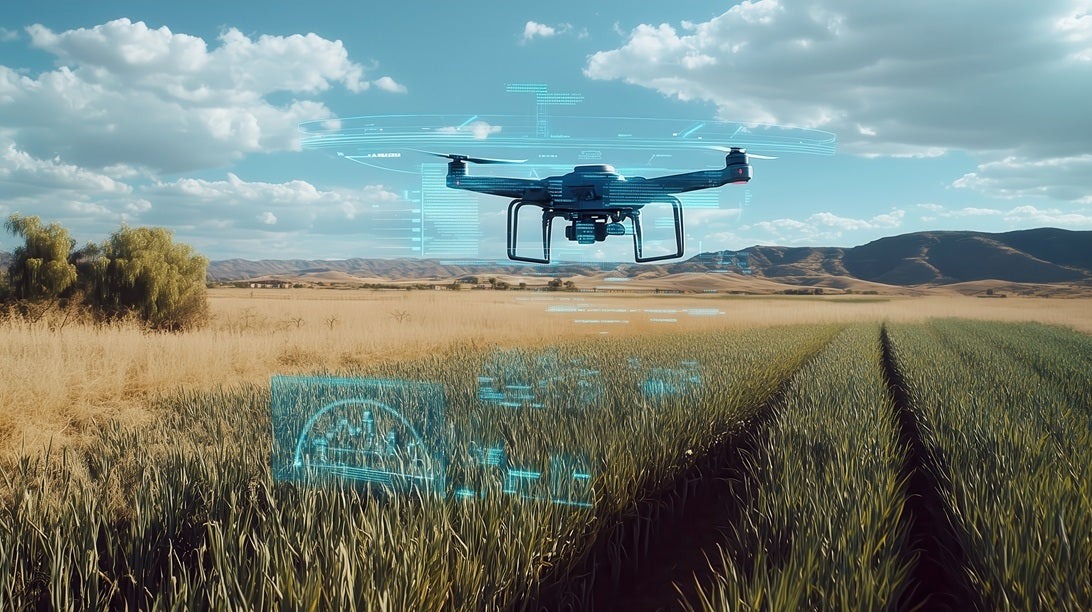
In recent years, the intersection of artificial intelligence (AI) and drone technology has opened new frontiers in environmental monitoring. AI-powered drones are transforming how scientists, conservationists, and policymakers track and protect ecosystems, providing unparalleled data accuracy and operational efficiency Invasive Species Detection. This fusion of cutting-edge technology offers a unique approach to understanding and preserving our natural world amidst the growing challenges of climate change, habitat loss, and pollution.
The Rise of AI-Driven Environmental Surveillance
Traditional environmental monitoring methods often involve labor-intensive fieldwork, costly equipment, and limited spatial or temporal coverage. Drones equipped with AI capabilities dramatically change this landscape by enabling autonomous data collection and real-time analysis over vast and inaccessible areas. These drones can identify species, detect environmental changes, and predict potential ecological threats with remarkable precision.
Key Applications of AI-Powered Drones in Environmental Monitoring
-
Wildlife Population and Behavior Tracking
AI algorithms analyze aerial imagery to identify and count animal species, monitor migration patterns, and observe behavioral changes without human interference. This non-invasive method is crucial for protecting endangered species and understanding ecosystem dynamics. -
Forest Health and Deforestation Detection
Equipped with multispectral sensors, AI-powered drones can detect signs of disease, pest infestation, or illegal logging activities by analyzing variations in vegetation health. Early detection helps in mitigating forest degradation and promoting sustainable forestry practices. -
Water Quality and Pollution Monitoring
Drones can sample water bodies, while AI models assess indicators like turbidity, chemical contaminants, or algal blooms. Continuous monitoring aids in the management of freshwater resources and the prevention of environmental disasters. -
Disaster Response and Climate Impact Assessment
In the aftermath of natural disasters such as wildfires, floods, or hurricanes, AI drones provide rapid damage assessments and help in planning recovery efforts. They also contribute valuable data for studying the long-term effects of climate change on various ecosystems.
The Advantages of Integrating AI with Drones
-
Autonomy and Efficiency: AI enables drones to operate independently, navigating complex terrains and making real-time decisions without constant human control. This autonomy increases the scale and frequency of data collection.
-
Enhanced Data Processing: AI models can instantly analyze large volumes of data onboard or via cloud computing, allowing for quicker identification of environmental issues and reducing the time lag between data capture and actionable insights.
-
Cost-Effectiveness: Reducing the need for extensive human labor and expensive satellite data makes environmental monitoring more accessible, especially in resource-constrained regions.
Challenges and Future Directions
Despite the promise, integrating AI-powered drones into environmental monitoring faces hurdles such as regulatory restrictions on drone flights, data privacy concerns, and the need for robust AI models adaptable to diverse ecosystems. Additionally, ensuring that collected data is used ethically and contributes to inclusive conservation policies remains critical.
Looking ahead, advancements in sensor technology, edge computing, and AI interpretability will further enhance the capabilities of environmental drones. Collaborative frameworks involving governments, NGOs, and local communities can maximize the benefits of this technology in safeguarding biodiversity and promoting sustainable development.
Conclusion
AI-powered drones represent a paradigm shift in environmental monitoring, offering innovative solutions to some of the planet’s most pressing ecological challenges. By harnessing the synergy between AI and drone technology, humanity gains a powerful tool to better understand, protect, and restore the natural environment for future generations.
