
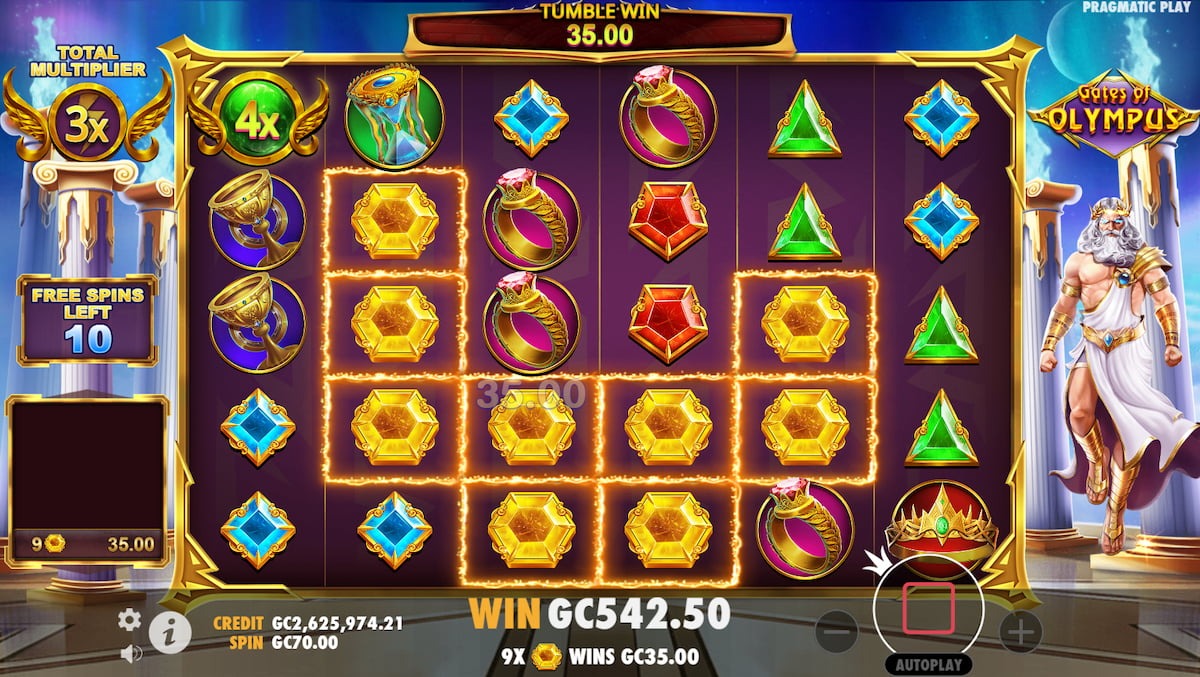
In the past two decades, online games have transformed from a niche hobby into a global phenomenon, shaping entertainment, social interaction, and even professional careers. With millions of players worldwide, TENYOM189 games have become a dominant force in digital culture.
What Are Online Games?
Online games are video games that are played over the internet, allowing players to connect, compete, and collaborate in virtual environments. They span multiple genres—from first-person shooters and real-time strategy games to massive multiplayer online role-playing games (MMORPGs) and casual mobile games. Popular examples include Fortnite, League of Legends, Minecraft, and Among Us.
Social Interaction and Community Building
One of the defining features of online gaming is its social dimension. Players form friendships, teams, and communities that often extend beyond the game itself. Multiplayer platforms and voice-chat technologies allow players to coordinate strategies, celebrate victories, and even organize tournaments. For many, these virtual connections can be as meaningful as real-world relationships, fostering collaboration, teamwork, and cultural exchange.
Cognitive and Skill Benefits
Research suggests that online gaming can enhance cognitive abilities such as problem-solving, strategic thinking, and multitasking. Many games require players to make quick decisions, manage resources, and adapt to changing environments—skills that can be valuable in real-life scenarios. Additionally, competitive games can improve hand-eye coordination, spatial awareness, and reaction times.
Economic and Career Opportunities
The online gaming industry has created vast economic opportunities. Professional gaming, or esports, has grown into a billion-dollar industry, with players earning sponsorships, streaming revenue, and tournament prizes. Game development itself is a thriving career path, combining creativity, programming, and digital design. Streaming platforms like Twitch and YouTube Gaming have also enabled gamers to monetize their skills and cultivate global audiences.
Challenges and Concerns
Despite their benefits, online games come with challenges. Excessive gaming can lead to addiction, social isolation, or disrupted sleep patterns. Exposure to toxic behavior or harassment is another concern, particularly in competitive online environments. Parents and players alike are encouraged to set healthy boundaries, choose age-appropriate content, and engage in gaming communities responsibly.
The Future of Online Gaming
The future of online games promises even more immersive experiences. Advances in virtual reality (VR), augmented reality (AR), and cloud gaming are blurring the lines between digital and physical worlds. Social spaces in games are evolving into virtual meeting places, where players can not only compete but also attend concerts, explore virtual worlds, and interact in creative ways.
Conclusion
Online games have become much more than a form of entertainment—they are a cultural, social, and economic force that continues to evolve rapidly. When approached responsibly, they offer opportunities for fun, learning, and connection, making them an integral part of modern digital life.